
Natural fiber processing tools.
[P13]
Embracing renewable plant fibers, craftsmanship and long-lasting utility tools.
[P13]
Natural fiber processing tools.
#NaturalFibers #WoodTools
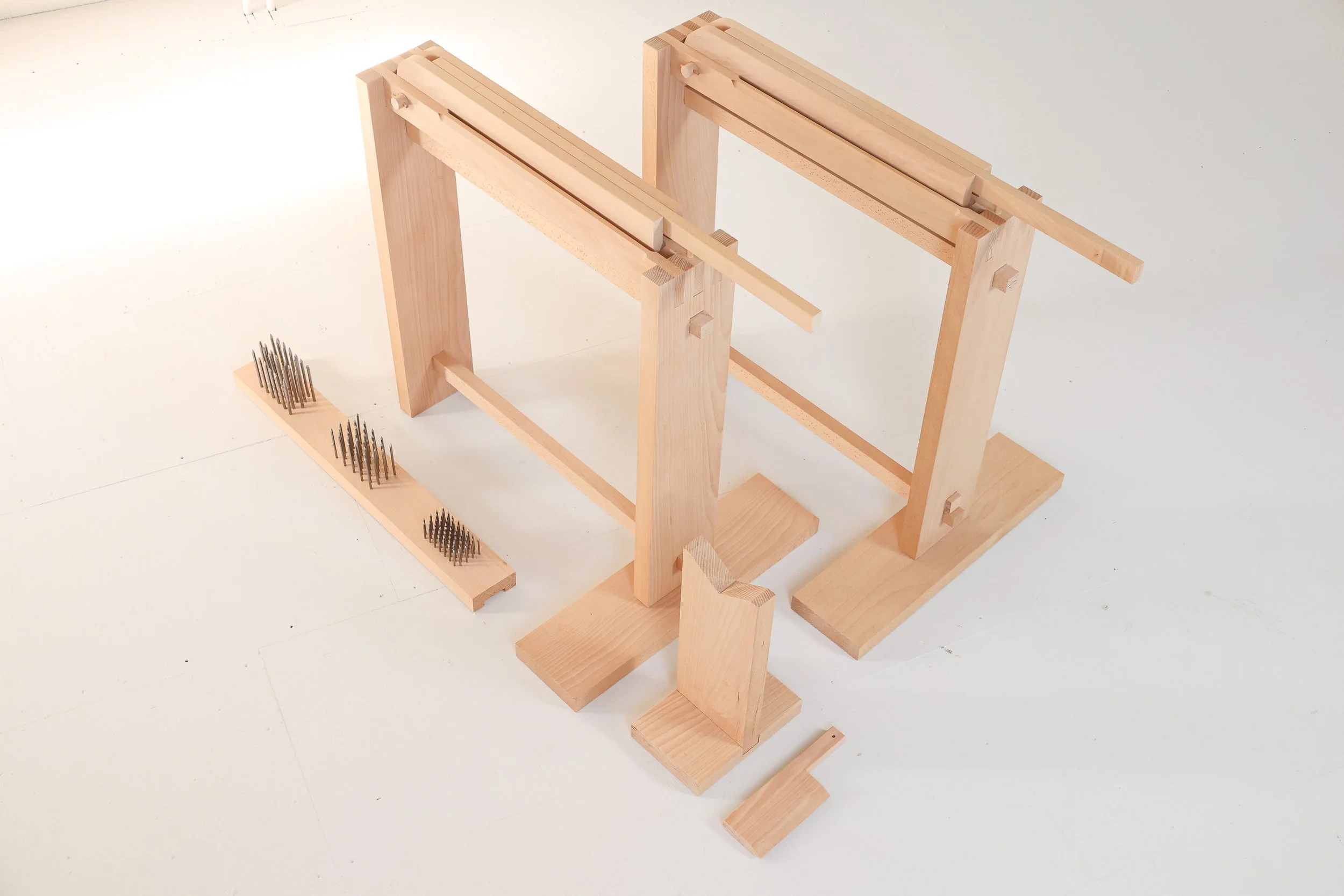
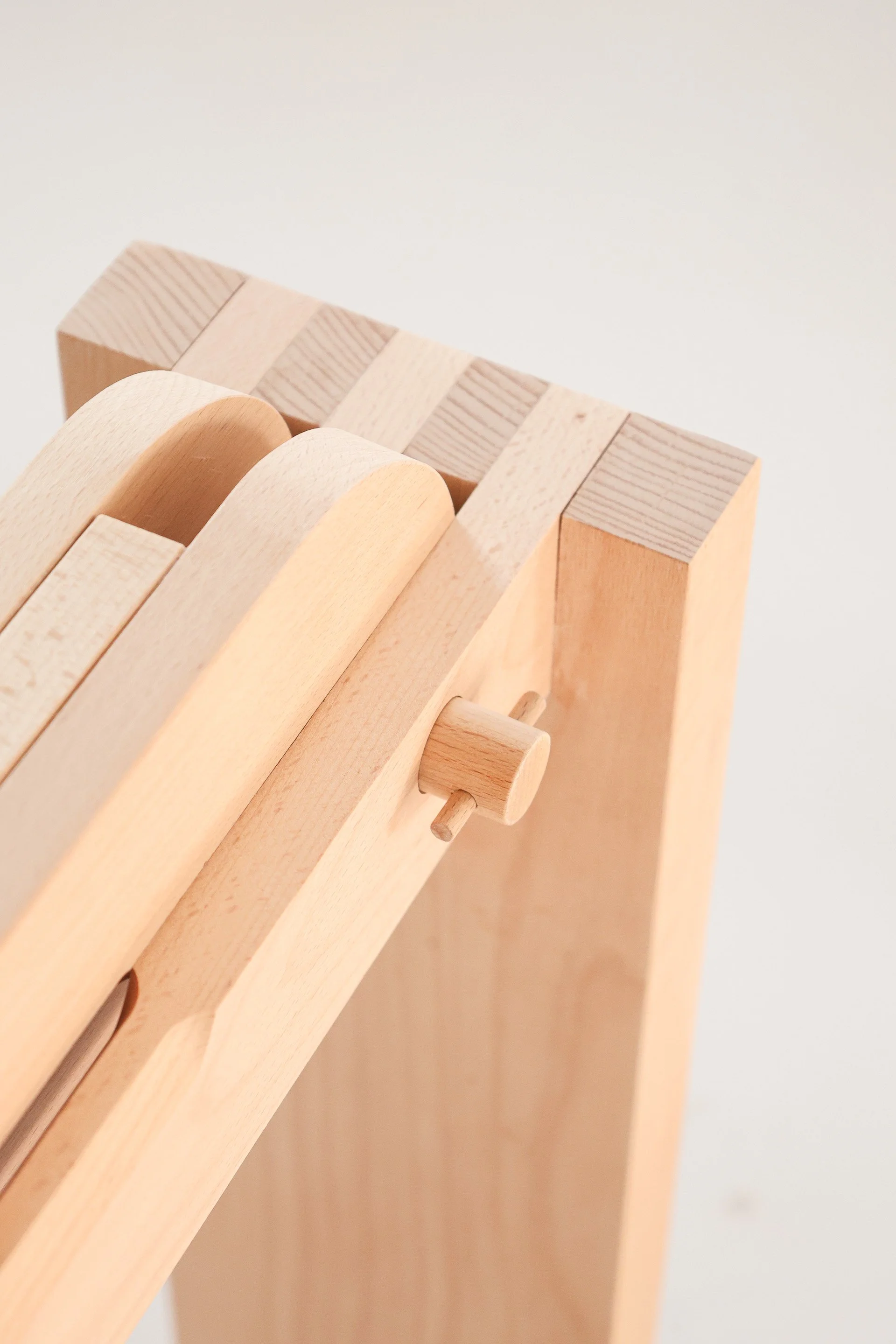
This project explores traditional fiber processing tools used in the transformation of flax and hemp into linen, rope and textile fibers. This second iteration of the tool collection was developed for Ketter&Co and draws inspiration from historical agricultural and textile tools traditionally crafted from hardwoods.
In contrast to highly industrialised textile production, these tools represent a slower and more direct relationship between agriculture, craft and fabric production.
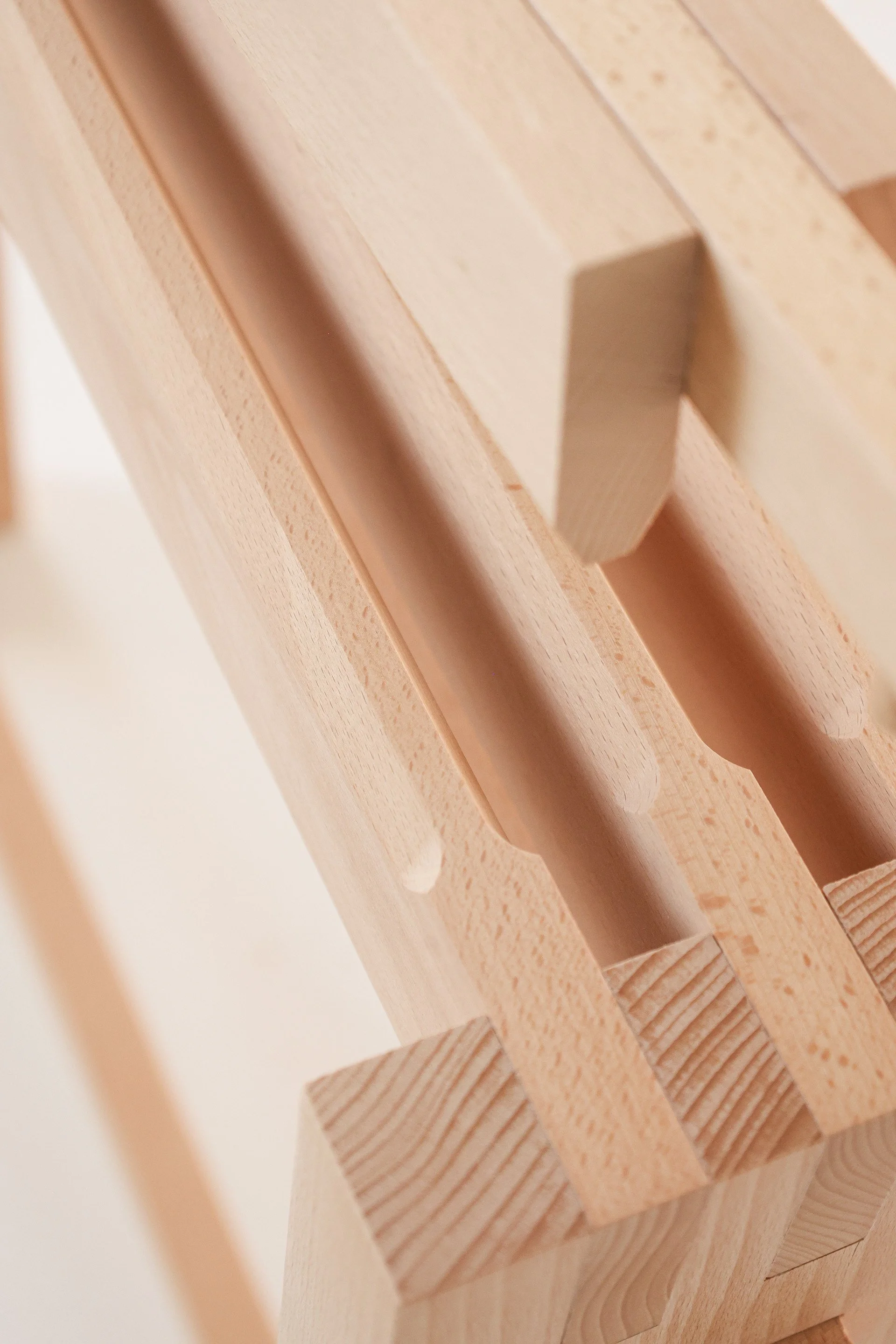
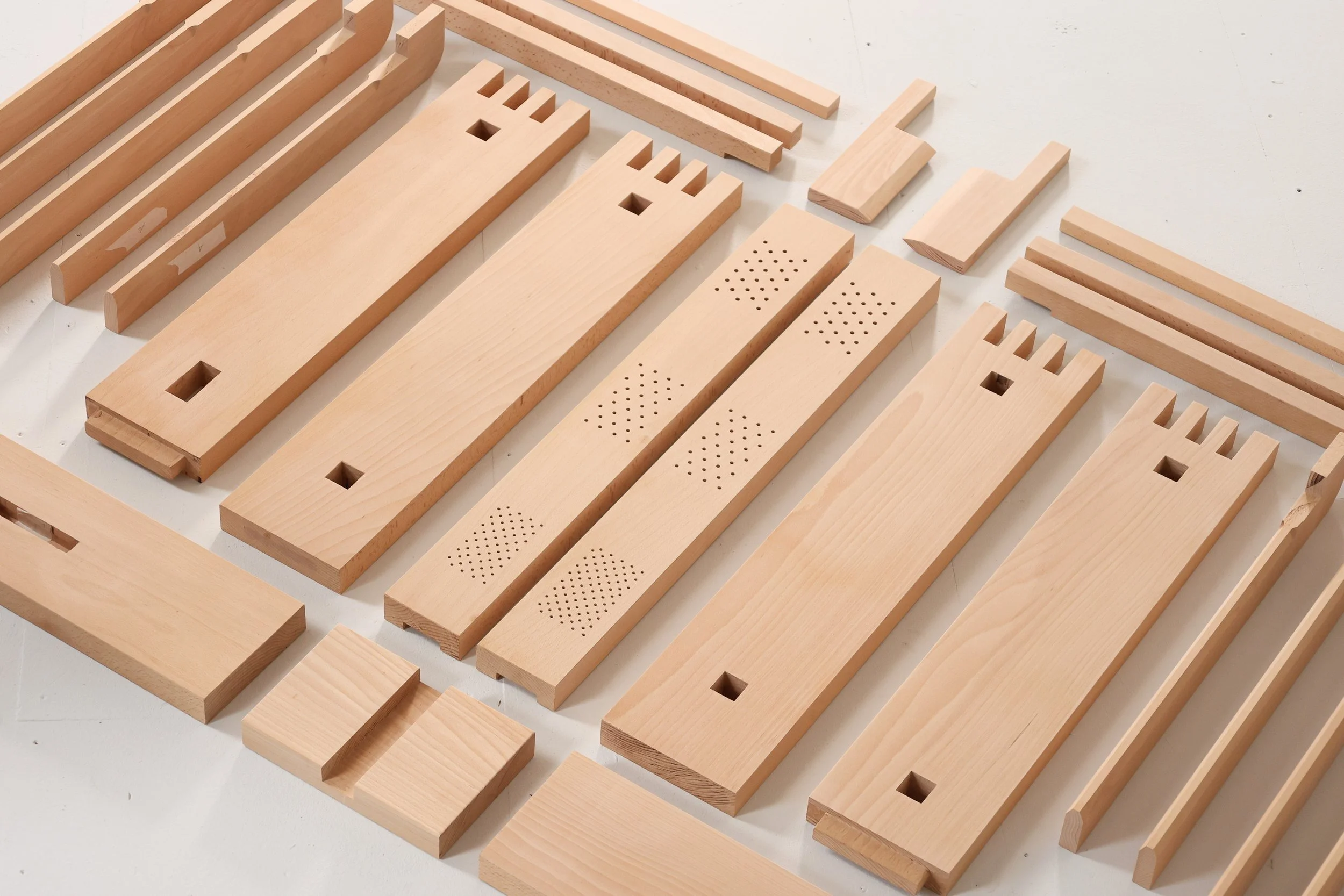
Material selection consists of 100% beechwood, as this is a long lasting natural material. No additional fasteners were used for the joinery, the connections between parts consist of finger joints and mortise and tenon joints. Beechwood dowels were used for the rotating connections.
The breaker is used to crush the woody stems from flax or hemp after retting and drying the plants. This separates the brittle outer structure from the long inner fibers used for textiles or ropemaking.
The swing consists out of a swing knife and swing stand. Scutching is performed as a second step to remove any remaining woody material.
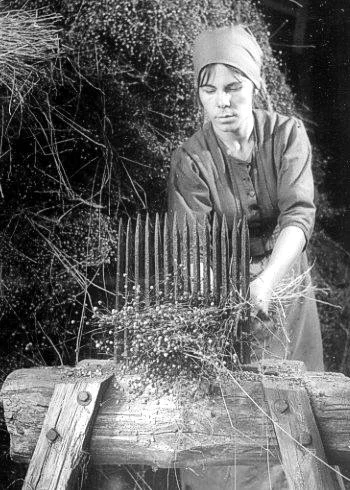
The heckle is used to comb and refine the long fibers after breaking and scutching. Multiple coarseness gradually separate and align the fibers into soft strands suitable for spinning.
#hempfiber #flax #handTools #beechwood #naturalFibers #textileMaking #traditionalCrafts


13|13

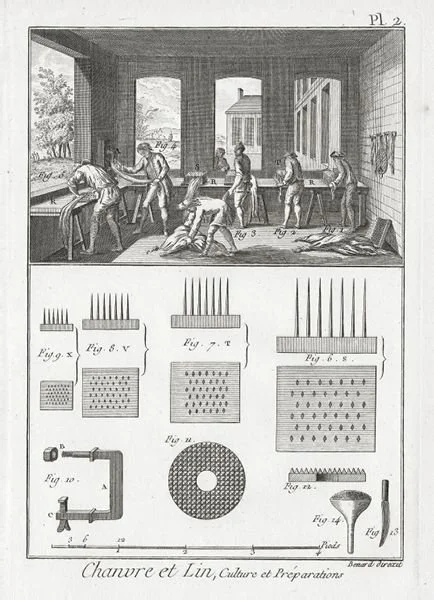
Detail of the breaker, the Netherlands. 2026
Traditional drawings
Detail of breaker teeth in beechwood
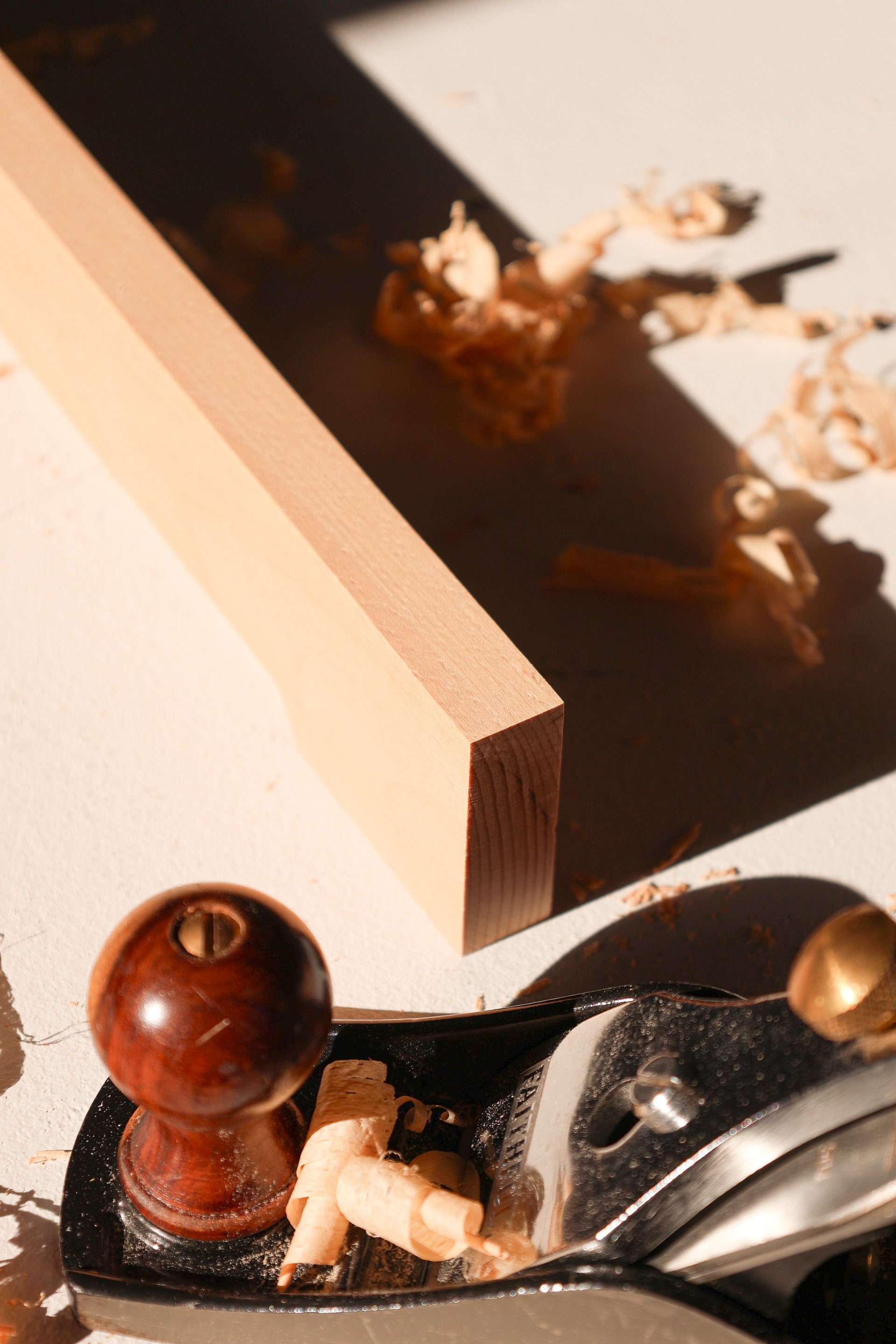
Process of planing wood parts to size
Knolling overview of all natural fiber tool parts, the Netherlands. 2026
The artisanal processing of flax with a heckle